

ZeroTier — Virtual network layer that joins machines into an overlay LAN across any internet connection
What it is
ZeroTier creates virtual networks that behave like a local LAN even when members sit behind different routers and NATs. Typical use is reaching a home lab, NAS or self-hosted service remotely, or linking servers across providers into one flat network. Free plans cap network size and members, and larger or commercial deployments move to paid tiers.
Editor's review
Long-form introduction by the BetterPicker editors · checked against the official site · Oct 9, 2026
ZeroTier is the pragmatic pick when you need a handful of machines to behave as if they share one LAN across the internet. It is free for personal use, installs in minutes on every platform that matters, and punches through NAT without touching router settings. It will not beat a clean WireGuard tunnel on raw throughput, and the default network controller lives with ZeroTier itself unless you self-host one, but for homelabs and remote access the convenience usually wins.
What it does well
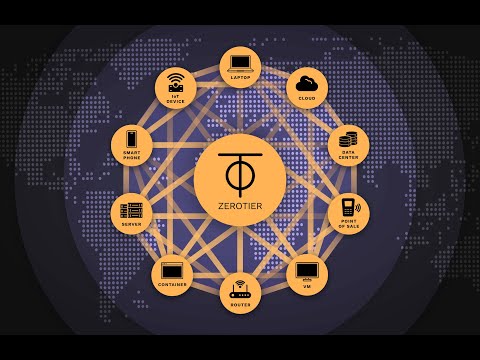
It recreates a LAN, not just a tunnel. Joined devices receive addresses on a virtual network and reach each other by IP, so file shares, databases, and older games behave as if everyone were in one room. Peer-to-peer paths are negotiated automatically, and traffic flows directly between devices whenever a route exists.
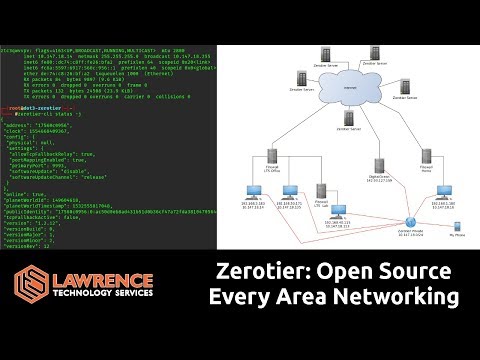
Setup is genuinely short. Install the client, join a network ID, and approve the device in the web console; no port forwarding, no certificate ceremony. Long-form guides that cover its VPN, SDN, and SD-WAN uses with approx 124,000 views exist because one download compresses three product categories.
You are not locked into their cloud. The core is open source under MPL 2.0, with some components under a source-available license, and a self-hosted controller is possible. Teams with policy requirements can run the management plane themselves, which hosted-tunnel products rarely allow.
Who it's for
Homelab owners, small teams, and gamers who want LAN behavior without owning network equipment. It fits anyone connecting a NAS, a lab cluster, or a friend's PC into one private network. Remote workers who mostly need to reach one NAS or an office machine will be happier here than with a full mesh marketed at companies. Enterprises comparing vendors should examine the self-hosting path and the current commercial limits carefully before committing.
Where it falls short
Throughput is not its strongest suit. Encapsulation and routing overhead mean a direct WireGuard tunnel usually moves data faster when you control both endpoints. Head-to-head videos against Tailscale and plain WireGuard with approx 140,000 views keep circling this trade, and the honest answer is that convenience costs some speed. Moving large backups or media across it is where the gap shows.
The default controller is a dependency. Networks are authorized and managed through ZeroTier's cloud unless you operate your own controller and root setup. That is a trust decision and an availability decision at once, and both deserve a conscious answer before anything sensitive rides the network.
The free tier has shape, and the shape can move. Personal use costs nothing, but the current limits on nodes and networks live on the pricing page rather than in muscle memory. Check them against your device count periodically, because those numbers are the vendor's to change.
Specs at a glance
Facts from the official site · not editorial opinion
| Latest release | v1.16.2 (May 2026) |
|---|---|
| License | MPL 2.0 core; some components source-available |
| Platforms | Windows, macOS, Linux, FreeBSD, iOS, Android |
| Free tier | Yes, personal-scale use; current limits on the pricing page |
| Self-hosting | Controller and root infrastructure can be self-hosted |
| Typical uses | Remote access, homelab LANs, LAN gaming, site-to-site links |
| Company | ZeroTier, Inc. |
Frequently asked questions
▸What is ZeroTier?
ZeroTier creates virtual layer-2 networks that span the internet, so devices anywhere join a shared LAN with their own addresses. It combines VPN, software-defined networking, and SD-WAN ideas in one client. You install it, join a network ID, and authorize the device.
▸Is ZeroTier free?
Personal use is free with limits on network and device counts that are published on the pricing page. Paid plans target organizations that need more nodes, management features, or support. Self-hosting the controller can reduce reliance on the hosted service.
▸ZeroTier or Tailscale?
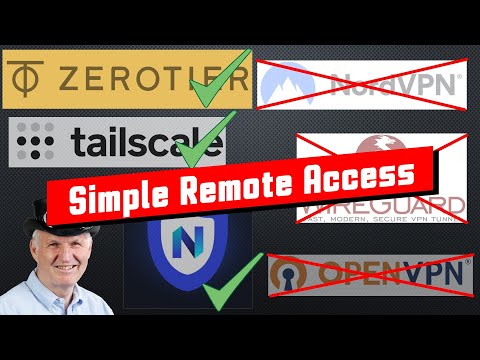
Tailscale is easier for plain device-to-device access and is built on WireGuard, which usually means better throughput. ZeroTier gives you true layer-2 behavior, which matters for legacy apps, LAN gaming, and broadcast-dependent protocols. Both have usable free tiers, so run the one that matches your workload.
▸Do I need to open ports on my router?
No. ZeroTier makes outbound connections and negotiates direct paths between peers, punching through NAT in most cases. When a direct path is impossible, traffic relays through ZeroTier infrastructure instead of failing, at the cost of some speed.
Reviews on YouTube
4 review videos aggregated · praise and criticism included alike · click through to the original video
Channels that covered it
Channels are aggregated as sources only — we don’t rate creators


Related tools




Where to go next
External links open in a new tab; external content is independent of this site.
Link down? Every object page is re-checked monthly.