

Home Assistant — Open-source smart-home hub that automates your devices locally, without cloud round-trips
What it is
Home Assistant is the most widely used open-source smart-home platform: it runs on a Raspberry Pi or a small server, connects to thousands of devices through local integrations, and automates them without cloud round-trips. It is free and self-hosted, with a large add-on ecosystem. The trade-off is a real learning curve — setup and maintenance are hands-on, and device support quality varies by integration.
Editor's review
Long-form introduction by the BetterPicker editors · checked against the official site · Oct 8, 2026
Home Assistant is the hub for people who want their smart home to obey them, not a vendor. It is free and open source under Apache 2.0, runs on your own hardware, and prefers local protocols like Zigbee, Z-Wave, Matter, Thread, and ESPHome, so the lights keep working when the internet does not. Releases arrive monthly, numbered by year and month. The cost is effort: setup, configuration, and dashboard tuning are real work, and the payoff is a house no subscription can switch off.
What it does well
Local-first is a design principle, not a slogan. Devices speaking Zigbee, Z-Wave, Matter, Thread, or ESPHome need no internet at all, and when a device only talks to a vendor's cloud, the project still steers you toward any local alternative. The official documentation keeps it plain: it keeps working when the internet is down. That stance is why privacy-minded households adopt it.
Integration reach is enormous. The catalog spans major brands, hobbyist protocols, and obscure sensors, bridged into one data model with automations layered on top. Devices the vendors never meant to interoperate end up in the same dashboard and the same automation rules, which is the entire point. Community add-ons extend the reach further.
It moves fast and tells you so. Monthly releases ship features and deprecations on a predictable rhythm, backups and the repair flow flag breakage before it bites, and the community documents nearly every edge case you will hit. Twelve releases a year is a pace no commercial hub matches, and rollback is a real, tested path.
Who it's for
Tinkerers, privacy-conscious households, energy-monitoring enthusiasts, and anyone burned by a vendor killing a cloud service are the core audience. It fits people who enjoy a weekend project and want durable ownership of their own automation. It fits poorly if you expect consumer-box simplicity, never want to read documentation, or need every family member onboarded without any friction at all.
Where it falls short
The learning curve is real. Concepts like entities, helpers, and automations take weeks to click, and complex setups lean on YAML or the interface's denser corners. The documented basics are friendly, but a genuinely smart home is a running project, not an afternoon of unboxing.
Hardware choices matter. A weak host produces sluggish dashboards and dropped integrations, and radio dongles make or break Zigbee and Z-Wave reliability. The documentation's hardware recommendations exist because cheap boxes fail in predictable ways. Budget for proper hardware before blaming the software.
Polish varies by integration. Core device categories are solid, yet quality depends on each integration's maintainer, cloud-only vendors resist local control, and a monthly update can break a niche bridge. Release notes are required reading before you update right before guests arrive.
Specs at a glance
Facts from the official site · not editorial opinion
| License | Apache-2.0, free and open source |
|---|---|
| Price | Free; optional Nabu Casa cloud subscription |
| Latest release | 2026.10.0 (October 2026) |
| Platforms | Home Assistant OS on Raspberry Pi or x86, Docker, dedicated appliances |
| Local protocols | Zigbee, Z-Wave, Matter, Thread, ESPHome |
| Open source | Yes, community-driven project |
| Cloud dependency | Optional; runs fully local without internet |
Frequently asked questions
▸What is Home Assistant?
Home Assistant is free, open source software that turns a computer in your home into a smart home hub. It connects thousands of device types, controls them locally where possible, and ties them together with automations, dashboards, and voice assistants without a vendor in the middle.
▸Does it need the internet?
No, not for local devices. Protocols like Zigbee, Z-Wave, Matter, Thread, and ESPHome work entirely offline. Devices that only talk to a vendor cloud, and optional extras like remote access or voice assistants, are the things that need a connection.
▸Is Home Assistant really free?
Yes. The project's own FAQ says there is no subscription to use it and no features locked behind a paywall. A separate Nabu Casa cloud subscription exists for easy remote access, and paying for it supports development, but the software itself is fully free.
▸What hardware do I need?
Any small always-on computer works: a Raspberry Pi, a mini PC, or a purpose-built Home Assistant Connect appliance running Home Assistant OS. The documentation recommends modest specs, more storage and memory than the minimum if you plan many devices, cameras, or add-ons.
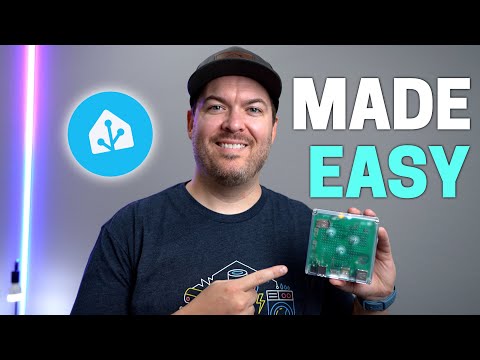
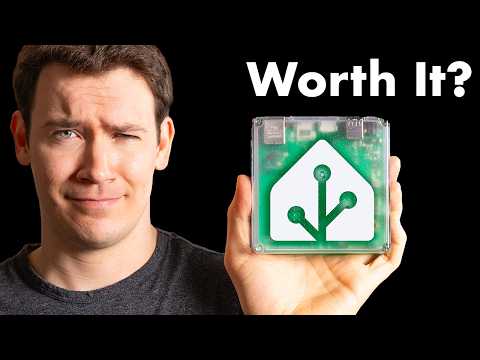
Reviews on YouTube
4 review videos aggregated · praise and criticism included alike · click through to the original video

Channels that covered it
Channels are aggregated as sources only — we don’t rate creators



Related tools




Where to go next
External links open in a new tab; external content is independent of this site.
Link down? Every object page is re-checked monthly.